Feb 5, 2026
Luxury Jewelry Photography: How Affordable Jewelry Can Still Look High-End
Spilling the secret sauce on making jewelry photography look high end.
Why “Luxury” in Jewelry Photography Is Often Misunderstood
“What actually makes a jewelry shoot feel luxury?”
It’s a question most jewelry brands ask at some point, usually after scrolling through a sea of beautiful imagery that somehow all starts to look the same. The work appears polished (and yes, in jewelry, that word is doing double duty). The lighting is clean. The settings are aspirational. And yet, only a small percentage of it truly feels high-end.
The reality is that most brands want their jewelry to look luxury, even when the product itself isn’t positioned or priced that way. There’s nothing wrong with that. Perception has always played a role in how jewelry is experienced, especially online.
Where brands tend to slip up is the assumption that luxury jewelry photography comes down to surface-level aesthetics alone. A nice location. A beautiful model. An expensive camera. If all the visible elements are there, the image should feel high-end.
In practice, that’s rarely how it works.
Luxury is perceived, not declared. And perception isn’t created through a single choice. It’s created through a system.
The Illusion of Luxury: Why It Looks Easy at First
From the outside, luxury product photography can appear deceptively simple.
Shoot in a beautiful space. Put the jewelry on a model. Keep everything clean and polished. Done.
This way of thinking is understandable. In a lot of commercial photography, those visible elements do a lot of the initial work. Location, talent, and styling immediately signal quality. At first glance, it feels like the difference between “standard” and “luxury” is mostly about access.
But that’s only the visible layer.
Most jewelry shoots fall apart not because the location or model is wrong, but because what comes next is often where the fumble happens. That’s why the structure matters. Location first. Then model. Then technique. The first two are easy to spot. The third is where most product photography misses the mark.
Luxury Element #1: Location
It’s easy to overlook location as a major factor when shooting jewelry, since it's often photographed so close up.
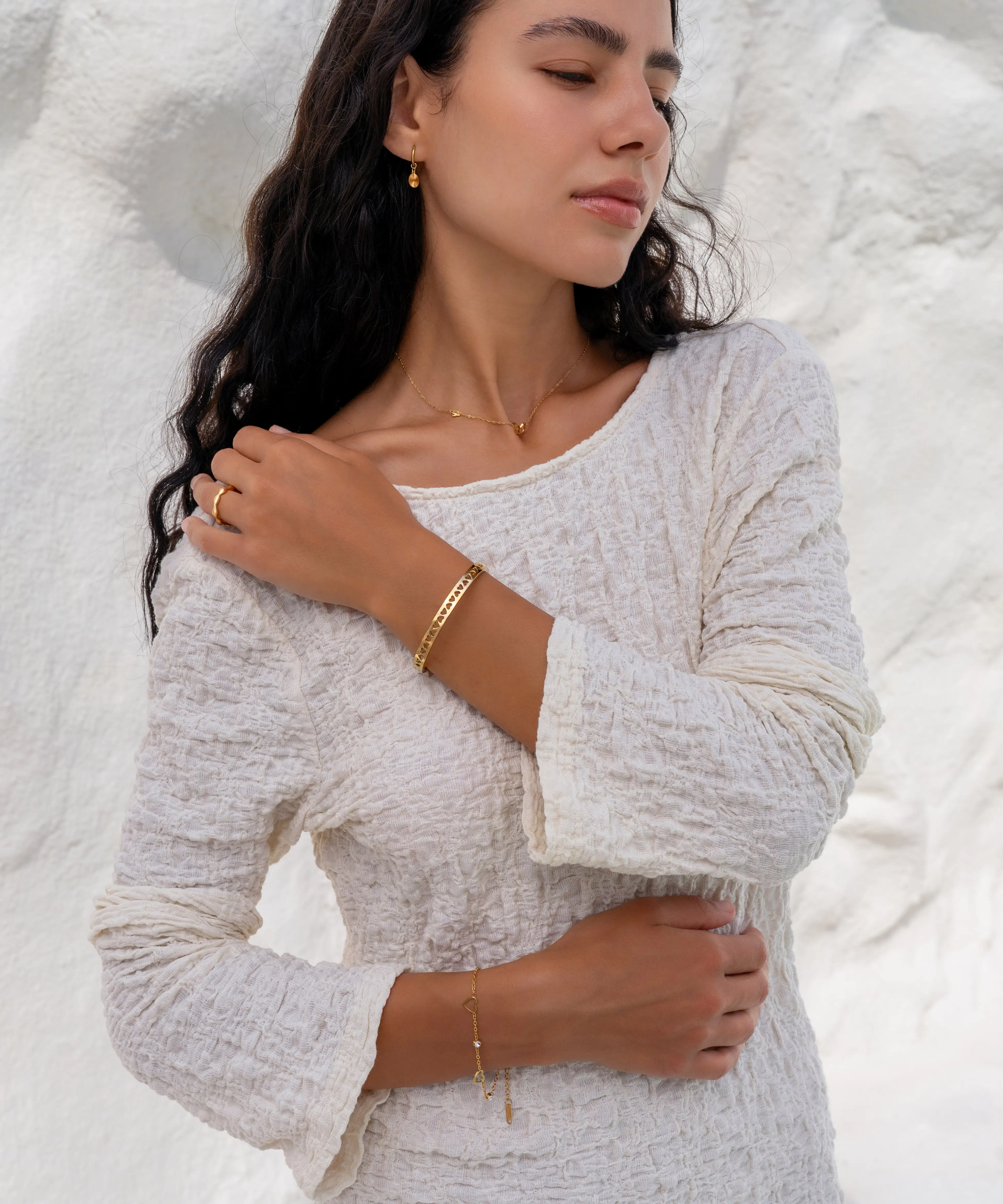
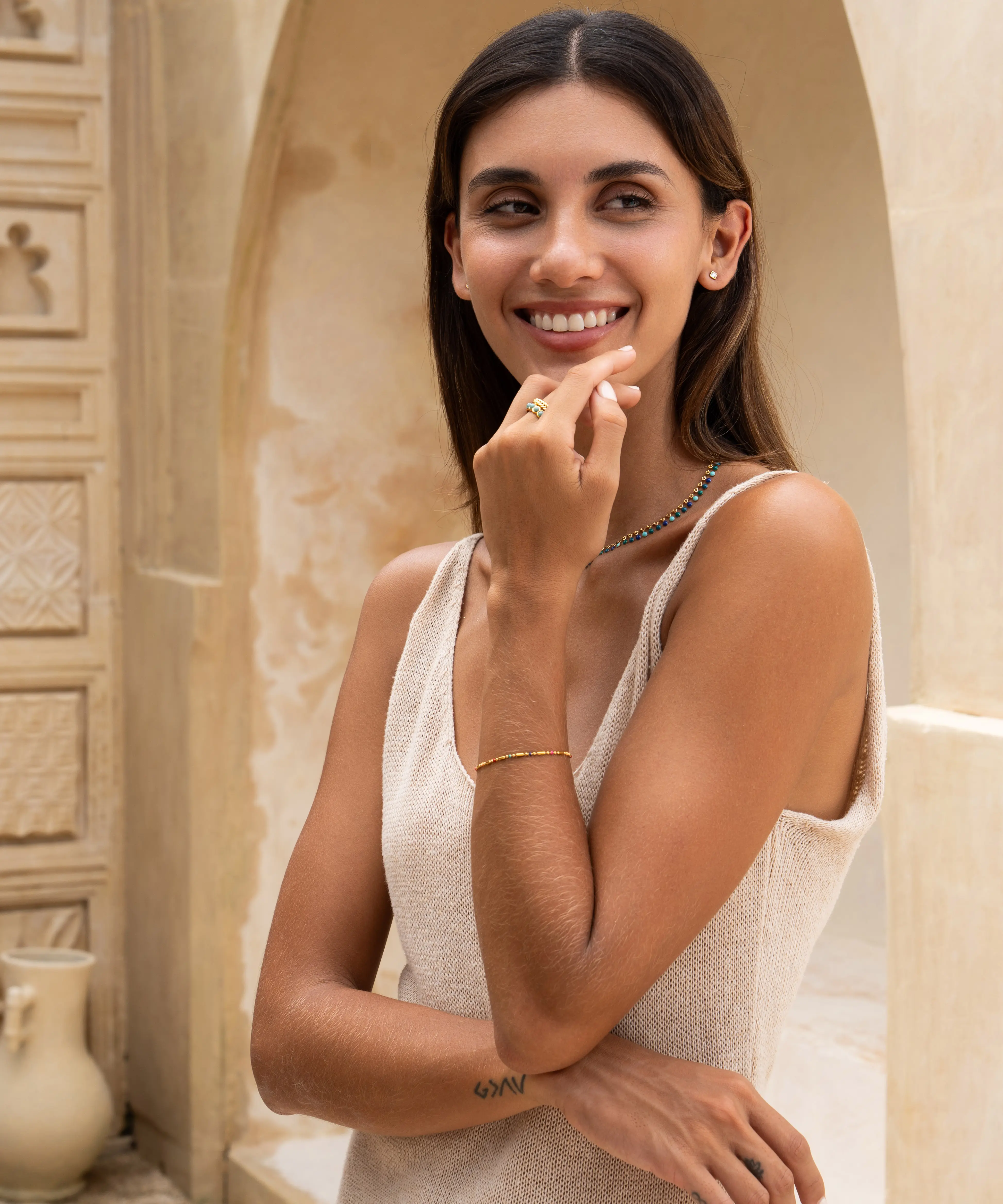
Before a viewer registers the jewelry itself, they’re already absorbing cues about lifestyle, taste, and positioning. Space communicates context instantly. A lived-in villa, an architectural studio, textured walls catching natural light. These environments quietly suggest what the jewelry looks like out in the world.
This is part of why lifestyle product photography resonates so strongly for jewelry brands. It gives the piece a sense of place. Not just where it’s shot, but how it might actually exist in someone’s life.
Compared to more traditional studio product photography, real-world locations introduce details that are harder to fake. Texture. Depth. A sense of scale that comes from shooting in a space that’s already lived in.
In Bali, that effect is amplified by how many studios and villas are designed specifically for shoots. It’s one of the reasons Bali product photography has become so closely associated with lifestyle-led brands. These spaces are built to be worked in. Good natural light. Thoughtful layouts. Enough room for teams to move without fighting the environment. At places like Bali Arts District, practical considerations matter too. Air-conditioned hair and makeup rooms, styling areas, and the option to rent wardrobe on site all make a difference once you’re actually mid-shoot.
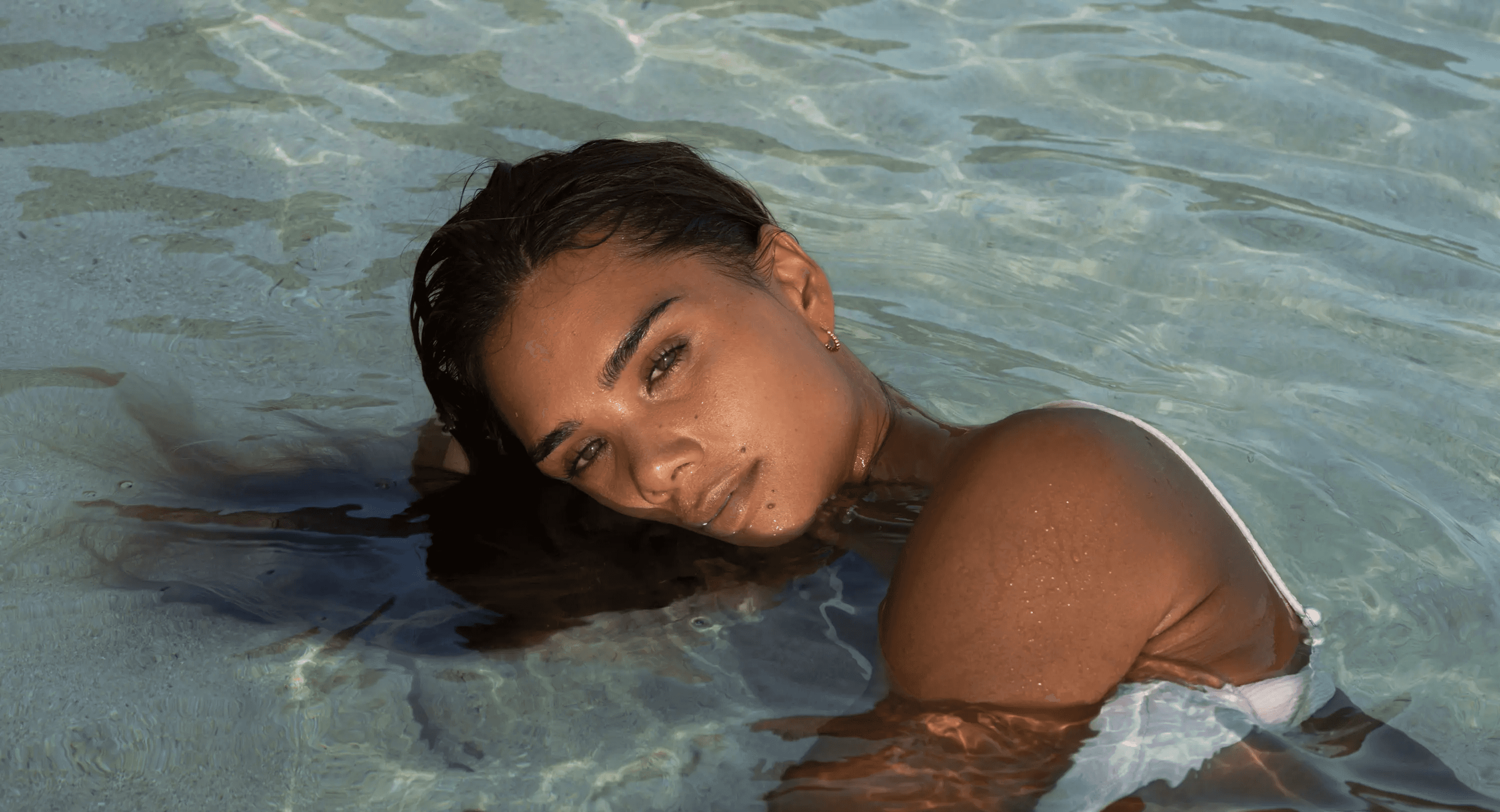
Certain locations also carry their own visual language. Sculptural studios give off an artistic and editorial vibe, while water-based spaces radiate softness and reflection. Garden settings feel intimate and romantic, but architectural interiors suggest restraint and refinement. Aesthetic choices also can pack an emotional punch.
All that said, location alone doesn’t create luxury.
The space can only get you so far. Without the right direction, lighting, and technical control, the image still falls flat. Location sets the stage. It doesn’t deliver the performance on its own.
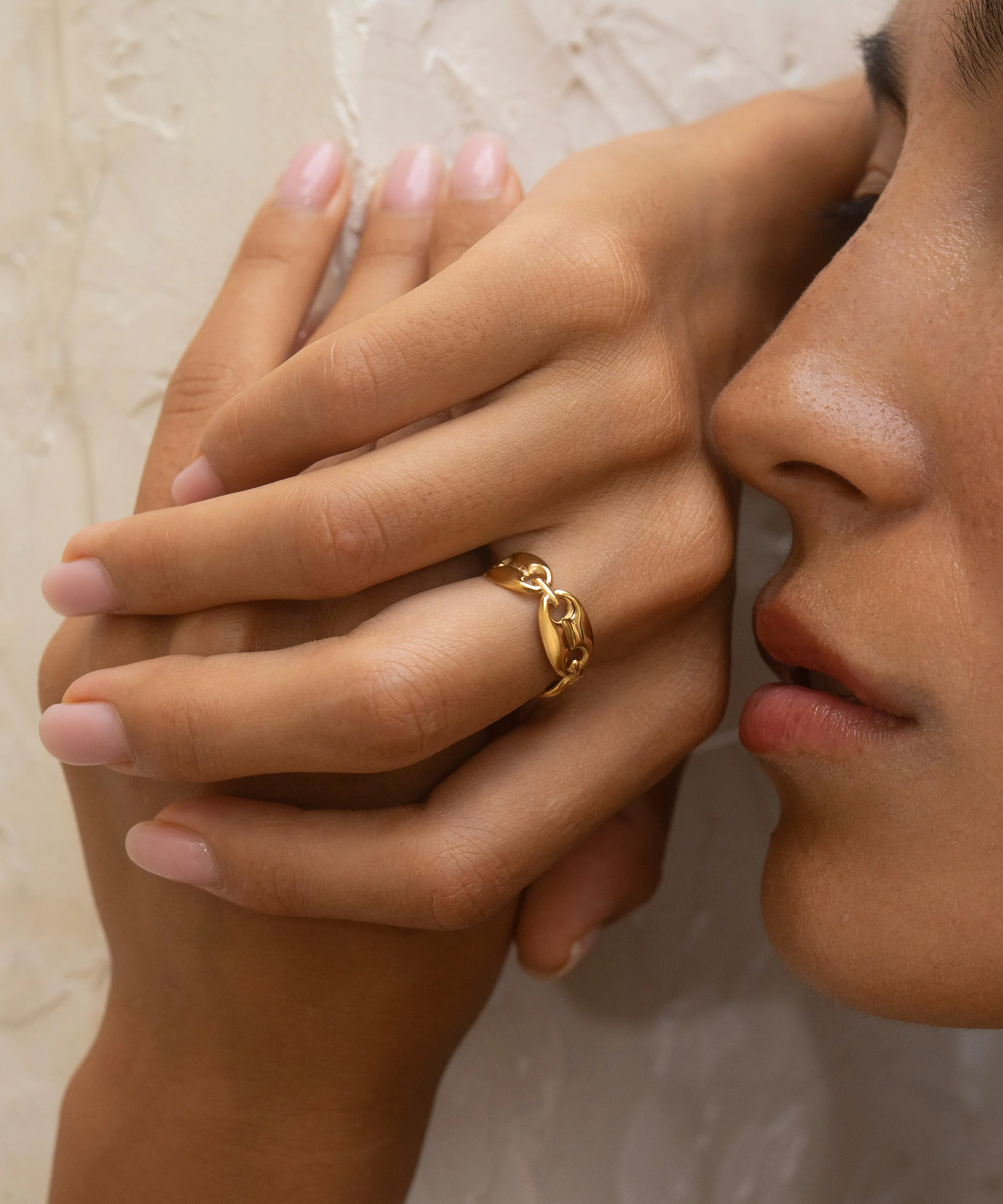
Image Caption
Luxury Element #2: Models
The second layer is talent, and it’s one of the most underestimated aspects of jewelry photography.
Models play a much bigger role in jewelry photography than most people realize. The wrong model can tank the whole shoot.
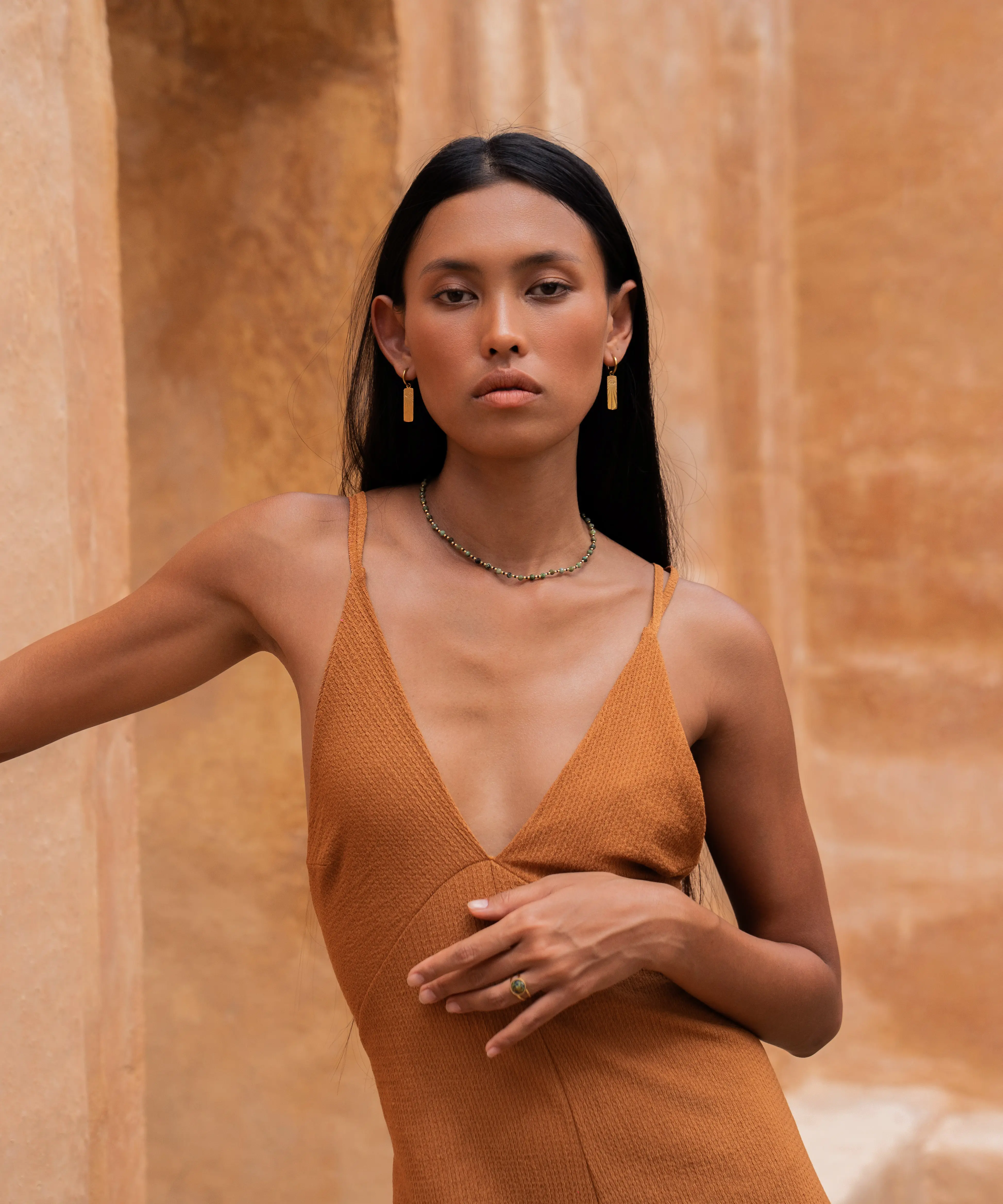
There’s a clear difference between someone wearing jewelry and someone who knows how to present it. This is because jewelry is intimate. It’s right on the skin. It catches light, responds to movement, and draws your eyes to hands, posture, and micro-expressions.
This is exactly why we recommend working with premium, agency-signed models rather than casting purely for looks. Experience shows up in product shots in subtle ways. In lifestyle product photography, especially for jewelry, the model’s level of restraint can tip the scale between luxury and tacky shots that feel cheap.
Luxury: the model holds the post comfortably and wears the jewelry naturally. Tacky: the model’s performative and stiff. Over-posing can be distracting, whereas under-posing can flatten the image. Skilled models know how to strike that balance, letting the piece lead without disappearing into the background.
In places like Bali, where lifestyle shoots often blend indoor and outdoor settings, that experience becomes even more important. Natural light shifts quickly. Heat, texture, and environment all affect how a shoot unfolds. Models who are used to working in these conditions tend to move more intuitively, which keeps the shoot feeling relaxed rather than overly constructed.
At this point in the process, everything still looks straightforward. The location feels right. The model looks good. All smooth sailing from here, right?
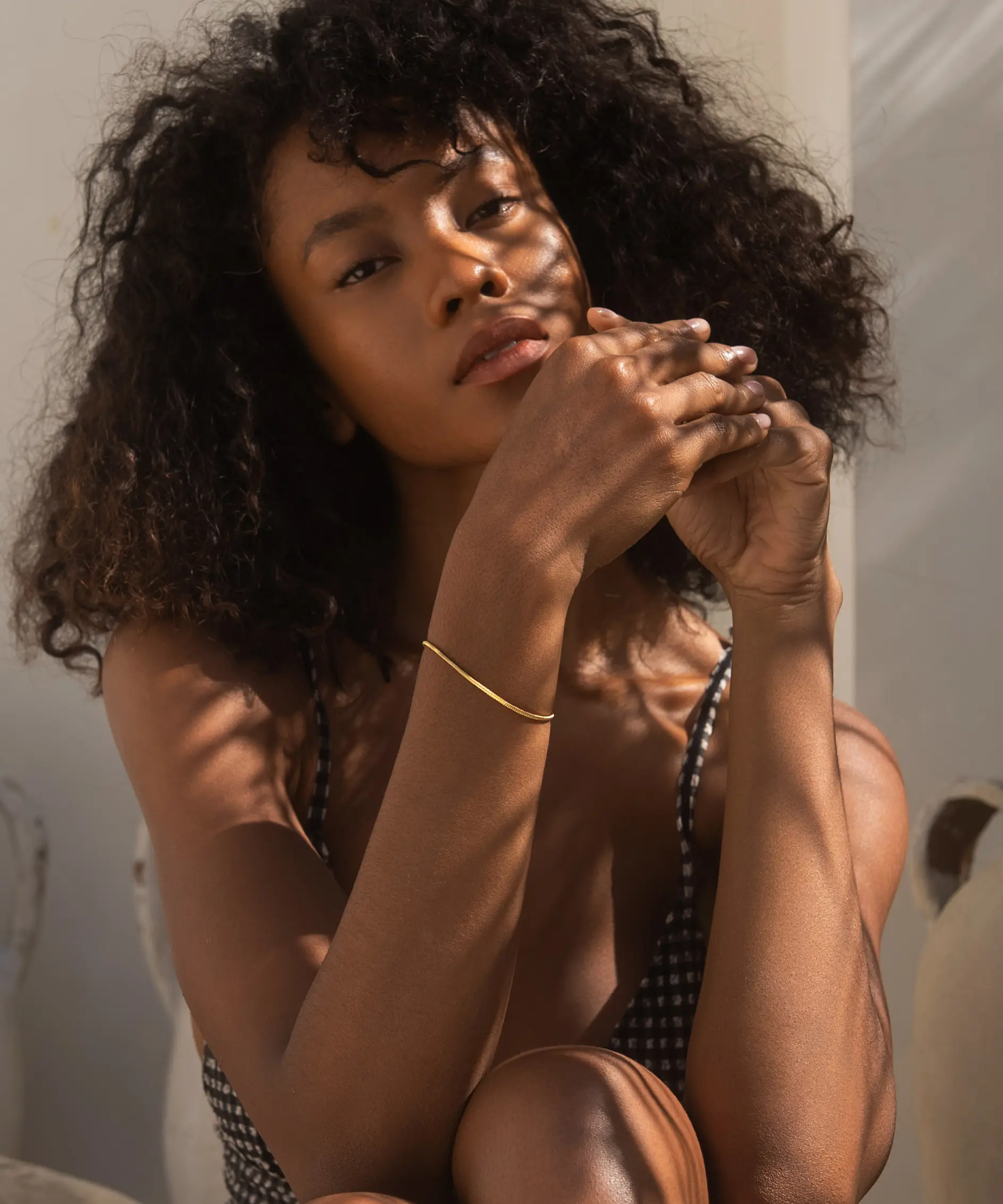
Luxury Element #3: Technique (Where Most Jewelry Shoots Fail)
Reflection management is one of the most misunderstood parts of jewelry photography.
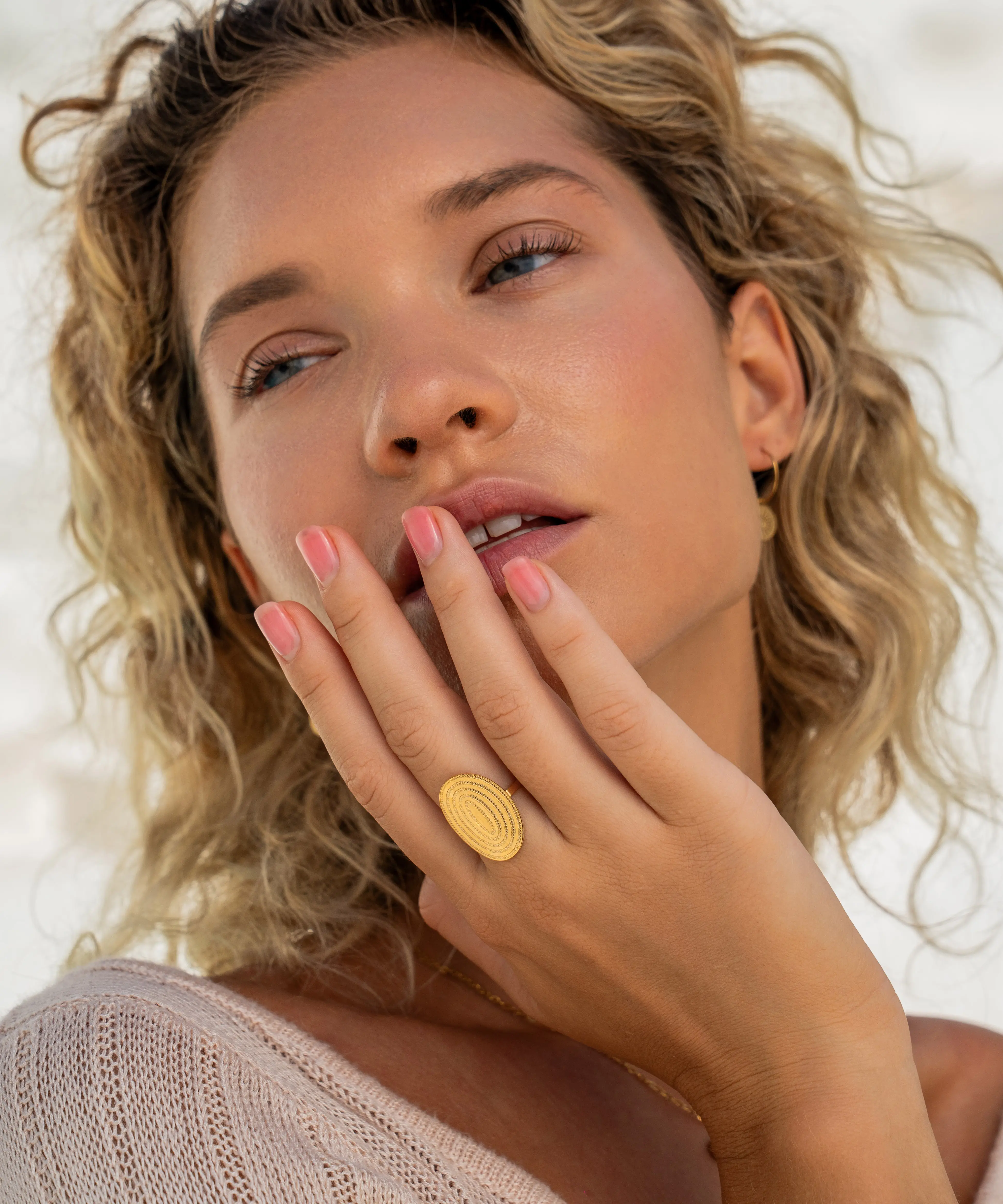
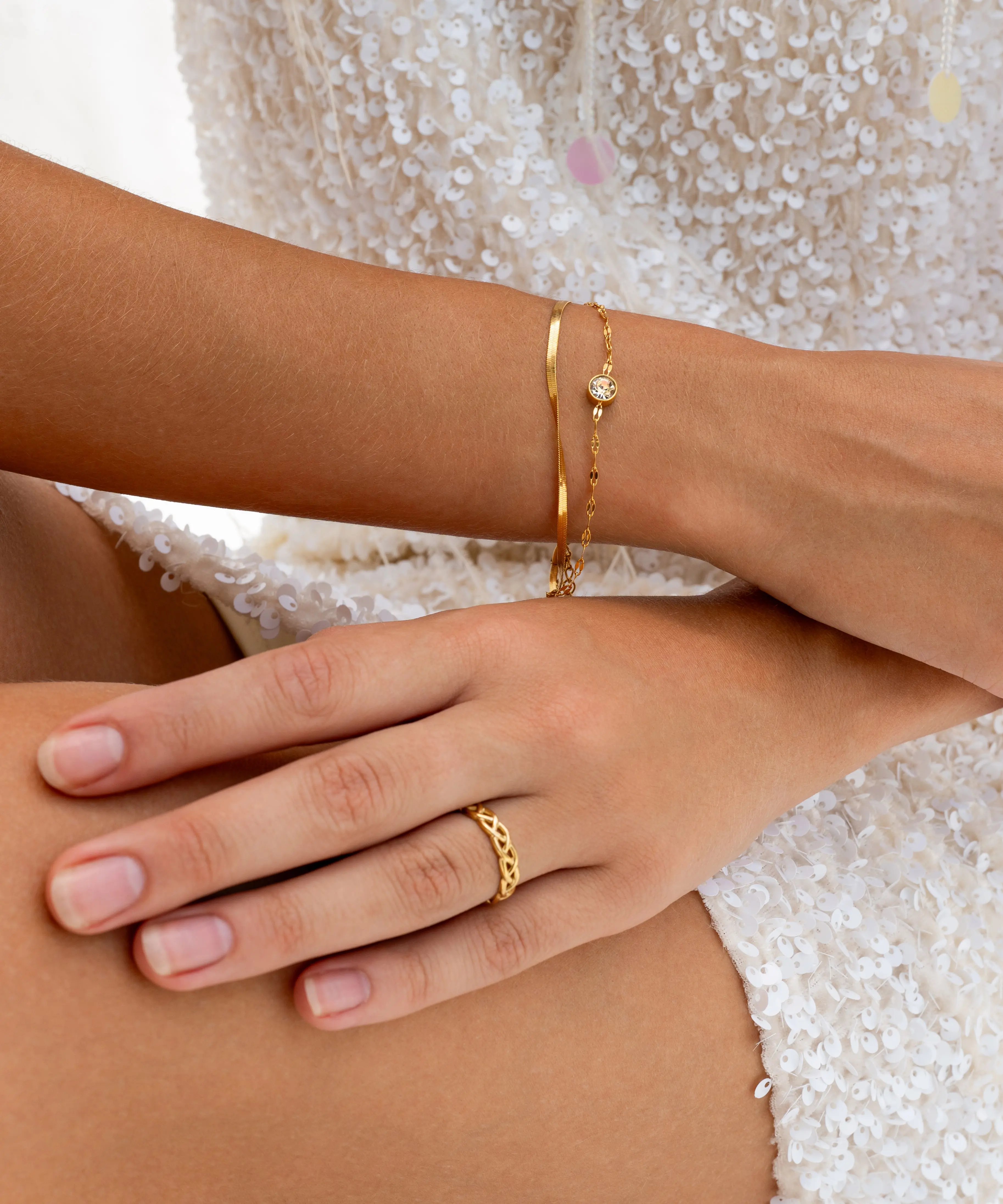
Jewelry reflects everything. The environment. The camera. The photographer. Even minor mistakes show up immediately, especially in product close-up photography. When reflections aren’t controlled, the image starts to feel cluttered or harsh, no matter how well-designed the piece is.
Highlights pull attention away from the piece instead of enhancing it. Metal loses depth. Stones stop feeling intentional. Even beautifully designed jewelry can suddenly read as flat or cheap.
This is often the difference between an image that looks “fine” and one that looks genuinely high-end.
To really nail reflection control in your close-up product shots, you’ll need patience, technical understanding, and experience.
On location, especially in places like Bali, where shoots often rely on natural light and textured surroundings, that challenge increases. Open spaces, reflective surfaces, and shifting light require constant adjustment. Without technical control, reflections can quickly overpower the jewelry rather than support it.
When reflections are handled well, the jewelry feels upscale. When they aren’t, even high-end materials struggle to hold their own.
How Affordable Jewelry Can Still Look High-End
One of the most persistent myths in this space is that luxury is synonymous with expensive.
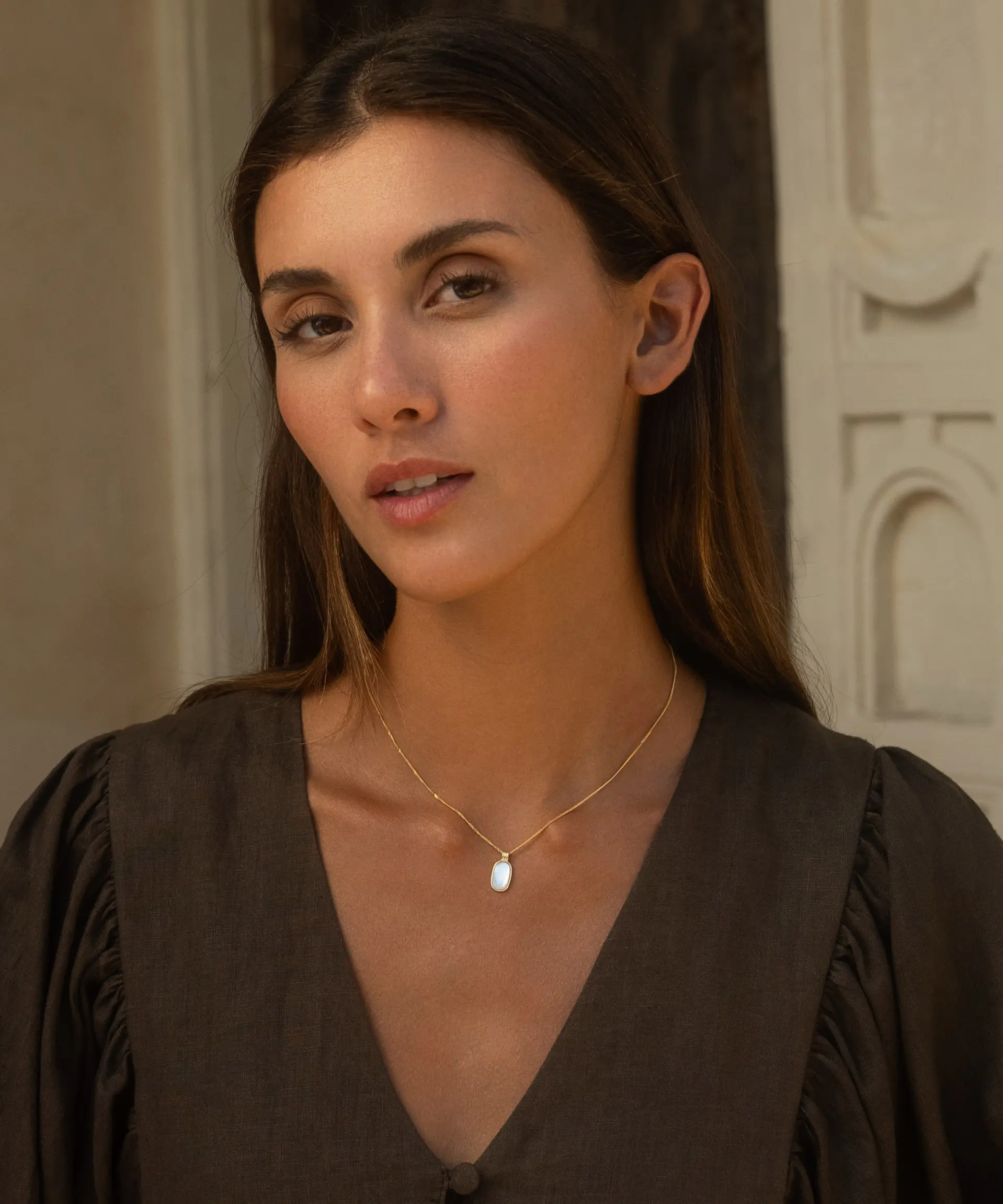
In practice, it’s not so black and white. What’s seen as “luxury” comes from perception and perception is shaped by consistency, clarity, and execution. When location, model, and technique are aligned, even affordable pieces can feel considered and desirable.
This is especially important for ecommerce product photography, where customers can’t touch or try on the piece. Visuals have to do the emotional and practical work at the same time. They need to build trust, communicate quality, and help the customer imagine the jewelry in their own life.
High-end visuals don’t just make products look better. They make brands feel more credible.
What This Means for Jewelry Brands
Luxury jewelry photography really is that deep.
It needs to signal brand positioning. It needs to create emotional connection. And it needs to build trust over time, not just impress in a single campaign. Consistency across visuals matters more than one standout shoot, because recognition is built through repetition.
This is where professional production stops being about “better photos” and starts being about brand content creation. A considered system allows brands to grow without constantly reinventing how they show up visually. It creates cohesion across campaigns, ecommerce, and marketing channels.
At this stage, the role of a production partner becomes obvious, even without being named.
More Articles
More on visuals and storytelling.
Mar 1, 2026
Hot Spots in Bali: The Trendiest Photoshoot Locations for Lifestyle Photoshoots
Planning a shoot in Bali? Check out the top studios and photoshoot villas for content creators for your next photography or videography project.
Read more
Jan 5, 2026
Why Nostalgia-Driven Marketing for Jewelry Brands Works
Nostalgia-driven visuals help jewelry brands build trust and emotional connection in the saturated ecommerce space.
Read more